Nietzsche Drager


PHOTOGRAPHY / DECONSTRUCTION
Conceptual Art Marketing
Series of photographs, various sizes
2011
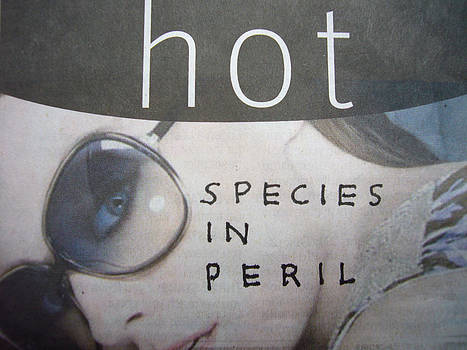
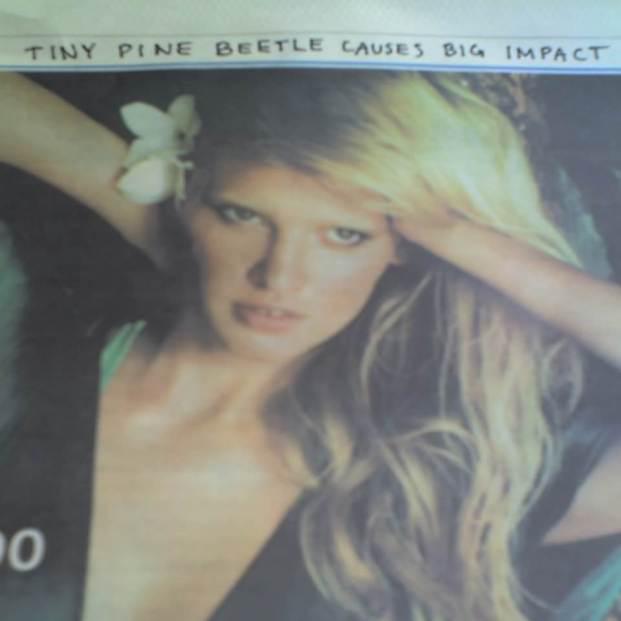
I photo-shopped images from the internet with alternative “rock song” lyrics- 1970s-1980s-1990s as advertisements for various companies and brands.
Marketing is contemporary conceptual art. It presents image and text to communication to a viewer.Advertising generates ideas, notions and concept, like conceptual art.It is in public space and private space.The dialectic and dissonance between the rock song lyrics and image evokes emotions of condensing euphoria.Dissonance is an element in metaphor and conceptual art is mostly comprised of metaphors.My goal is to enlarge these images in a gallery, 15 feet by 27 feet.Second, to approach the corporations in the ads to use these ads in Magazines, Billboards, Subways, etc, as a “real” advertizing campaign.


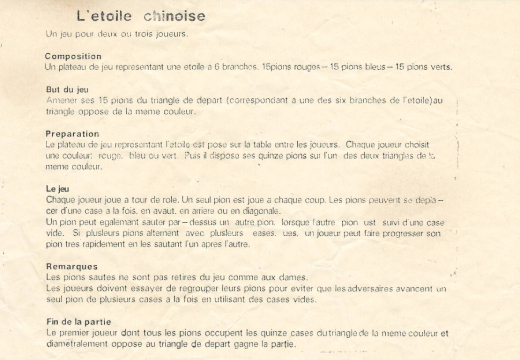
Jeff Wall Art Theory Photocopy Handouts, 1990
17 photocopy
11 in x 8.5 in
1991
These are 17 photocopy handouts from an Art Theory course for 4th year B.F.A. at the University of British Columbia. This is a genealogy of Art Theory as objects, not a discourse on the politics of the Art Canon. It merely a collection of objects within the experience of Pedagogy.
Jeffrey Wall, OC, RSA (born September 29, 1946) is a Canadian artist best known for his large-scale back-lit Cibachrome photographs and art history writing. Early in his career, he helped define the Vancouver School[citation needed] and he has published essays on the work of his colleagues and fellow Vancouverites Rodney Graham, Ken Lum, and Ian Wallace. His photographic tableaux often take Vancouver’s mixture of natural beauty, urban decay, and postmodern and industrial featurelessness as their backdrop.
Wall received his MA from the University of British Columbia in 1970, with a thesis titled Berlin Dada and the Notion of Context. That same year, he stopped making art. With his English wife, Jeannette, whom he had met as a student in Vancouver, and their two young sons, he moved to London[1] to do postgraduate work from 1970 to 1973 at the Courtauld Institute, where he studied with T.J. Clark.[2][3] Wall was assistant professor at the Nova Scotia College of Art and Design (1974–75), associate professor at Simon Fraser University (1976–87), taught for many years at the University of British Columbia, and lectured at the European Graduate School.[4] He has published essays on Dan Graham, Rodney Graham, Roy Arden, Ken Lum, Stephan Balkenhol, On Kawara, and other contemporary artists.[5]
Wall experimented with conceptual art while an undergraduate at UBC.[2] He then made no art until 1977, when he produced his first backlit photo-transparencies.[6] Most of these are staged and refer to the history of art and philosophical problems of representation. Their compositions often allude to artists like Diego Velázquez, Hokusai, and Édouard Manet,[7] or to writers such as Franz Kafka, Yukio Mishima, and Ralph Ellison.[8]
Presenting his first gallery exhibition in 1978 as an “installation” rather than as a photography show, Wall placed The Destroyed Room in the storefront window of the Nova Gallery, enclosing it in a plasterboard wall.Mimic [9] (1982) typifies Wall’s cinematographic style and according to art historian Michael Fried is “characteristic of Wall’s engagement in his art of the 1980s with social issues”.[10] A 198 × 226 cm colour transparency, it shows a white couple and an Asian man walking towards the camera. The sidewalk, flanked by parked cars and residential and light-industrial buildings, suggests a North American industrial suburb. The woman is wearing red shorts and a white top displaying her midriff; her bearded, unkempt boyfriend wears a denim vest. The Asian man is casual but well-dressed in comparison, in a collared shirt and slacks. As the couple overtake the man, the boyfriend makes an ambiguous but apparently obscene and racist gesture, holding his upraised middle finger close to the corner of his eye, “slanting” his eye in mockery of the Asian man’s eyes. The picture resembles a candid shot that captures the moment and its implicit social tensions, but is actually a recreation of an exchange witnessed by the artist.[11][12]
Picture for Women is a 142.5 × 204.5 cm Cibachrome transparency mounted on a lightbox. Along with The Destroyed Room, Wall considers Picture for Women to be his first success in challenging photographic tradition. According to Tate Modern, this success allows Wall to reference “both popular culture (the illuminated signs of cinema and advertising hoardings) and the sense of scale he admires in classical painting. As three-dimensional objects, the lightboxes take on a sculptural presence, impacting on the viewer’s physical sense of orientation in relationship to the work.”[13]
There are two figures in the scene, Wall himself, and a woman looking into the camera. In a profile of Wall in The New Republic, art critic Jed Perl describes Picture for Women as Wall’s signature piece, “since it doubles as a portrait of the late-twentieth-century artist in his studio.”[14] Art historian David Campany calls Picture for Women an important early work for Wall as it establishes central themes and motifs found in much of his later work.[15]
A response to Manet’s Un bar aux Folies Bergère, the Tate Modern wall text for Picture of Women, from the 2005–2006 exhibition Jeff Wall Photographs 1978–2004, outlines the influence of Manet’s painting:
In Manet’s painting, a barmaid gazes out of frame, observed by a shadowy male figure. The whole scene appears to be reflected in the mirror behind the bar, creating a complex web of viewpoints. Wall borrows the internal structure of the painting, and motifs such as the light bulbs that give it spatial depth. The figures are similarly reflected in a mirror, and the woman has the absorbed gaze and posture of Manet’s barmaid, while the man is the artist himself. Though issues of the male gaze, particularly the power relationship between male artist and female model, and the viewer’s role as onlooker, are implicit in Manet’s painting, Wall updates the theme by positioning the camera at the centre of the work, so that it captures the act of making the image (the scene reflected in the mirror) and, at the same time, looks straight out at us.[16]
Wall’s work advances an argument for the need for pictorial art.[8] Some of Wall’s photographs are complicated productions involving cast, sets, crews and digital postproduction. They have been characterized as one-frame cinematic productions. Susan Sontag ended her last book, Regarding the Pain of Others (2003), with a long, laudatory discussion of one of them, Dead Troops Talk (A Vision After an Ambush of a Red Army Patrol near Moqor, Afghanistan, Winter 1986) (1992), calling Wall’s Goya-influenced depiction of a made-up event “exemplary in its thoughtfulness and power.”
While Wall is known for large-scale photographs of contemporary everyday genre scenes populated with figures, in the early 1990s he became interested in still lifes.[17] He distinguishes between unstaged “documentary” pictures, like Still Creek, Vancouver, winter 2003,[18] and “cinematographic” pictures, produced using a combination of actors, sets, and special effects, such as A Sudden Gust of Wind (after Hokusai), 1993. Based on Yejiri Station, Province of Suruga (ca. 1832) a woodblock print by Katsushika Hokusai, A Sudden Gust of Wind recreates the depicted 19th-century Japanese scene in contemporary British Columbia, utilizing actors and took over a year to produce 100 photographs in order “to achieve a seamless montage that gives the illusion of capturing a real moment in time.”[19]
Since the early 1990s, Wall has used digital technology to create montages of different individual negatives, blending them into what appears as a single unified photograph.[20] His signature works are large transparencies mounted on light boxes; he says he conceived this format when he saw back-lit advertisements at bus stops during a trip between Spain and London. In 1995, Wall began making traditional silver gelatine black and white photographs, and these have become an increasingly significant part of his work.[20] Examples were exhibited at Kassel’s documenta X.
First shown at documenta 11, After “Invisible Man” by Ralph Ellison, the Prologue (1999-2000) represents a well-known scene from Ellison’s classic novel. Wall’s version shows us the cellar room, “warm and full of light,” in which Ellison’s narrator lives, complete with its 1,369 lightbulbs.[21]
Wall’s early group exhibitions include 1969 shows at the Seattle Art Museum, Washington, and Vancouver Art Gallery, and New Multiple Art at the Whitechapel Gallery, London in 1970. His first one-man show was held at Nova Gallery, Vancouver in 1978.[22]
Solo shows include ICA, London (1984), Irish Museum of Modern Art, Dublin, Ireland (1993), Whitechapel Gallery, London (2001), Kunstmuseum Wolfsburg, Wolfsburg, Germany (2001), Museum für Moderne Kunst Frankfurt (2001/2002), Hasselblad Center, Göteborg, Sweden (2002), Astrup Fearnley Museum, Oslo, Norway (2004) and retrospectives at Schaulager, Basel (2005), Tate Modern (2005) and MoMA, New York (2007), Art Institute of Chicago (2007), SFMoMA, San Francisco (2008), Tamayo Museum, Mexico City and Vancouver Art Gallery, Vancouver (2008), and Staatliche Kunstsammlungen, Dresden (2010).[citation needed] Wall was also included in documentas 10 and 11.[23]
For his retrospective at the Palais des Beaux Arts, Brussels in 2011, Wall chose some 130 works by his favorite artists, from 1900s photographer Eugène Atget to film excerpts (Fassbinder, Bergman, the Dardenne brothers) to pieces by contemporaries Thomas Struth and David Claerbout. They were shown alongside 25 of his own pictures.[24]
Arthur Lubow (February 25, 2007), The LuministThe New York Times. Newman, “Towards the Reinvigoration of the ‘Western Tableau’: Some Notes on Jeff Wall and Duchamp”, p. 83 Hochdörfer Jeff Wall: Photographs“Jeff Wall Profile. European Graduate School. Biography and bibliography”. Saas-Fee,Switzerland: European Graduate School. Archived from the original on 15 May 2011. Retrieved 8 April 2011. Wall, Jeff (2007). Jeff Wall: Selected Essays and Interviews. New York: Museum of Modern Art. Newman, “Towards the Reinvigoration of the ‘Western Tableau’: Some Notes on Jeff Wall and Duchamp”, p. 85 Merritt, Naomi Manet’s Mirror and Jeff Wall’s Picture for Women: Reflection or Refraction?, Emaj, issue 4, 2009, “Emaj: Online journal of art”. Archived from the original on 29 September 2010. Retrieved 15 April 2010. Newman, “Towards the Reinvigoration of the ‘Western Tableau’: Some Notes on Jeff Wall and Duchamp”, pp. 83-4 “Jeff Wall: Room guide, room 3”. Michaels, Walter Benn (2010). “The Politics of a Good Picture: Race, Class, and Form in Jeff Wall’s “Mimic””. PMLA. 125 (1): 177–84. doi:10.1632/pmla.2010.125.1.177. JSTOR25614447. S2CID144533500., https://www.jstor.org/stable/25614447. Lipsky-Karasz, Elisa (4 September 2015). “Jeff Wall’s Unique Photographic Vision”. The Wall Street Journal. Retrieved 1 March 2017. Osborne, Patty. “Mimic”. Geist. “Jeff Wall: room guide, room 1”. Tate Modern. Retrieved 30 August 2013. Perl, Jed (April 1997). “Impersonal Enchantment”. New Republic. Vol. 216, no. 17. p. 36. Campany, David (2007). “‘A Theoretical Diagram in an Empty Classroom’: Jeff Wall’s Picture for Women”. Oxford Art Journal. 30 (1): 7–25. doi:10.1093/oxartj/kcl033. Gallery Guide text for the exhibition Jeff Wall Photographs 1978–2004, Tate Modern, London, 21 October 2005 to 8 January 2006; quoted in David Campany, “‘A Theoretical Diagram in an Empty Classroom’: Jeff Wall’s Picture for Women”, Oxford Art Journal 20.1 (2007): 12-14. Jeff Wall, Diagonal Composition (1993)Christie’s Sale, 14 November 2002, New York. Tate Modern, Jeff Wall: Photographs 1978–2004. Retrieved June 24, 2011.Archived September 3, 2011, at the Wayback MachineTate Modern, Jeff Wall: Photographs 1978–2004. Retrieved June 24, 2011.Archived August 5, 2011, at the Wayback MachineJeff Wall, October 25, 2008 to January 25, 2009Archived November 25, 2011, at the Wayback Machine Vancouver Art Gallery, Vancouver. After “Invisible Man” by Ralph Ellison, the Prologue, Museum of Modern Art, New YorkJeff Wall Tate Collection. Jeff WallWhite Cube, London. Brigid Grauman (May 27, 2011), Jeff Wall’s ‘Crooked Path’The Wall Street Journal. Gopnik, Blake (5 June 2011). “The 10 Most Important Artists of Today”. Newsweek. Retrieved 25 April 2021. “Jeff Wall“, Hasselblad Foundation. Accessed 13 August 2020. Royal Society of Canada, New Fellows 2006Archived 2011-07-18 at the Wayback MachineOrder of Canada 2007Archived 2008-01-01 at Archive-It Blouin Artinfo. “Jeff Wall Awarded Audain Prize”. Artinfo.


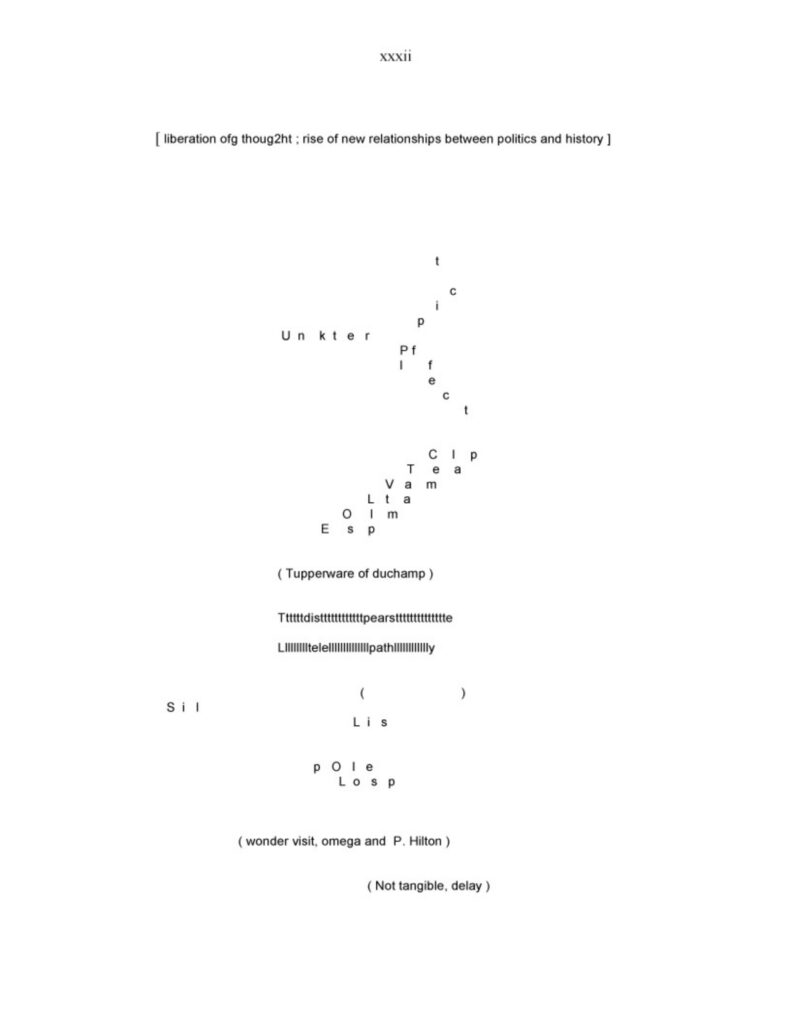
Serge Guilbaut, Art History Class, University of British Columbia, 1989 -1990 : Directions in Twentieth Century Art : Photocopy Handouts
12 photocopies
11 in x 8.5 in
1991
These are photocopies of handouts from Serge Guilbaut’s Art History class on Modern Art. Serge Guilbaut is the author of How New York Stole the Idea of Modern Art: Abstract Expressionism, Freedom and the Cold War. With this series, I am presenting a genealogy of how Art History is presenting in University Art classes in the 1990s. I am not making a social, nor political statement, analysis, discourse, merely mediated objects from my pedegodgy, as part of the Art Canon.
Serge Guilbaut is professor emeritus of Art History at the University of British Columbia in Vancouver, Canada. He has written on modern and contemporary art and, in particular, on cultural and political relations between the United States and France. He has published How New York Stole the Idea of Modern Art: Abstract Expressionism, Freedom and the Cold War (Chicago: University of Chicago Press, 1983; translated into five languages), Voir, Ne pas Voir, Faut Voir: Essais sur la perception et la non-perception des oeuvres (Nîmes: Jacqueline Chambon, 1994), Sobre la desaparicíon de ciertas obras de arte (Mexico City: Curare, 1995), and Los espejismos de la imagen, Essays on contemporary art (Madrid: Editions Akal, 2009).
He has also edited several other works: Modernism and Modernity (Halifax, NS: Press of the Nova Scotia College of Art and Design, 1983, 2006); Reconstructing Modernism: Art in New York, Paris, and Montreal, 1945–1964 (Cambridge, MA: MIT Press, 1990); co-edited with John O’Brian and Bruce Barber, Voices of Fire: Art Rage, Power, and the State (on Barnett Newman; Toronto: University of Toronto Press, 1996); co-edited with Laurent Gervereau, Laurence Bertrand Dorleac, and Gérard Monnier, Où va l’histoire de l’art contemporain? (Paris: L’image, 1996); Chatting with Henri Matisse: The Lost 1941 Interview (Los Angeles: Getty Publications, 2013).
He has also organized several exhibitions: Théodore Géricault: The Alien Body, Tradition in Chaos in 1997, Up Against the Wall Mother Poster (on posters from 1968) in 1999, and Be-Bomb: The Transatlantic War of Images and All That Jazz, 1946–1956 at MACBA in Barcelona in 2007 (critics’ prize of the Association of Catalan Art Critics for the best exhibition of the year).
He has participated as an artist in several exhibitions, such as Drawings (Vancouver, 1996) and Browser (Artropolis 97, Vancouver Art Gallery, 1997). He also had his own art retrospective in 2012 in Vancouver called Retro-Perspective (art and performances from 1965 to 2012).
Guilbaut’s credits as an actor include the role of Elie Faur, the famous 1930s French art historian, in the film A Banquet in Tetlapayac (relating the filming of Eisenstein’s film ¡Que Viva México!) by Olivier Debroise. The film was presented at the Vancouver International Film Festival, in addition to many venues in Europe and America. Film by Olivier Debroise, with Cuauthemoc Medina, Sally Stein, and Andrea Fraser (October 2000).


Sentence,
Various Materials – white sesame seeds, bread, plastic c.d. covers, flour, water
Various Sizes – 4 feet /8 feet ( height) to 8 feet / 20 feet ( Length)
Vancouver, Victoria, Toronto, Montreal, Amsterdam, Rotterdam, Deventer, Enschede.
2001 – present
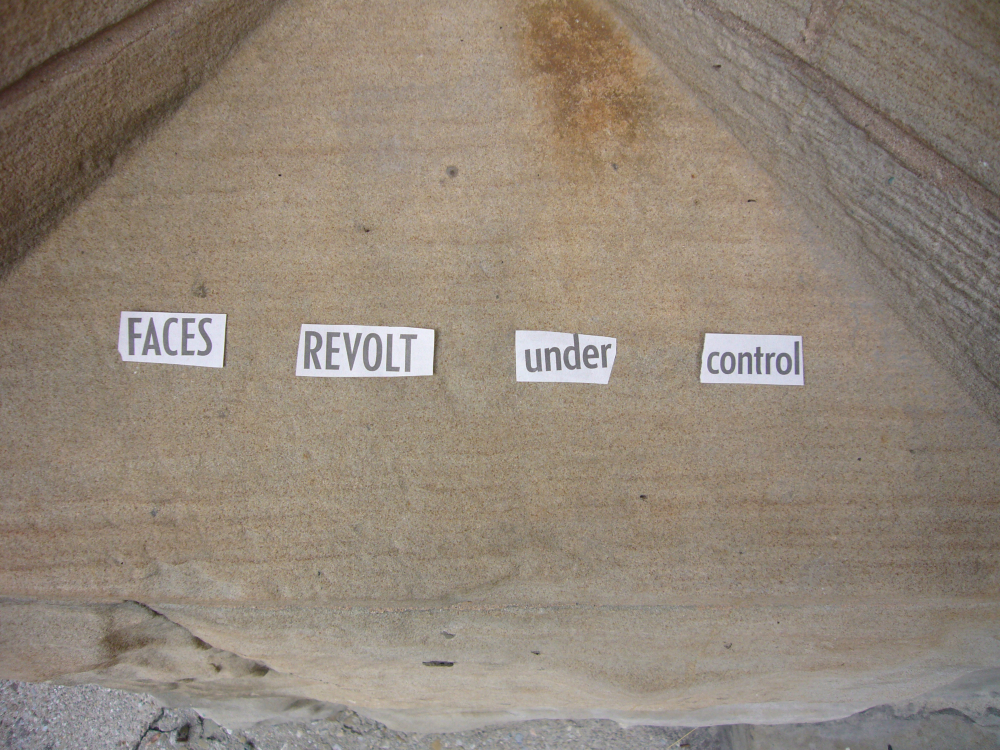
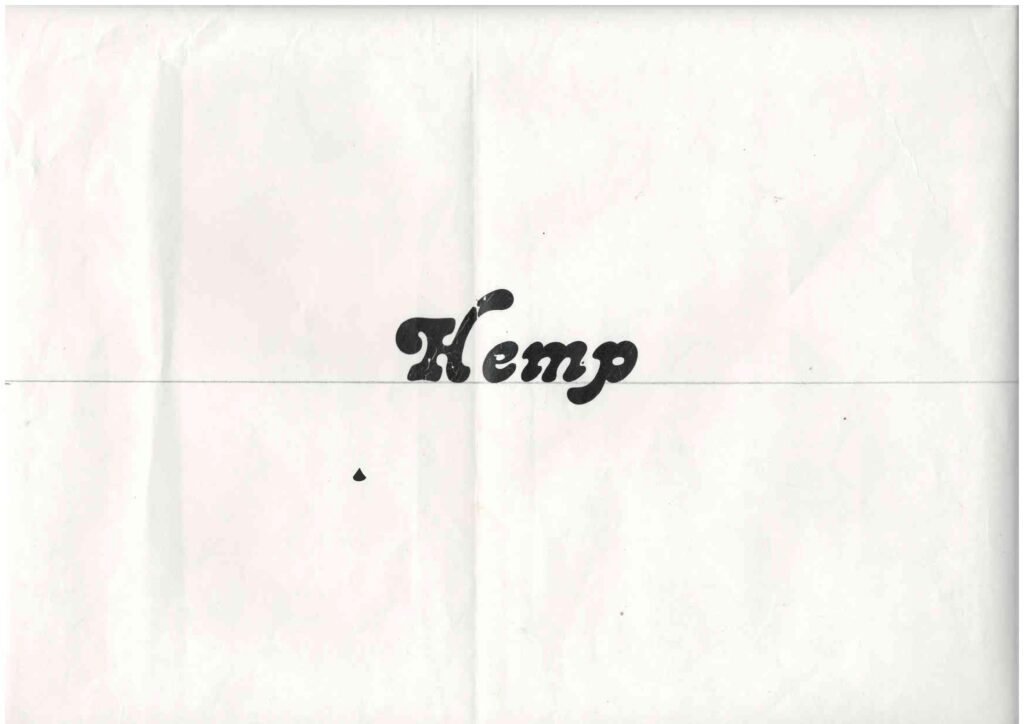
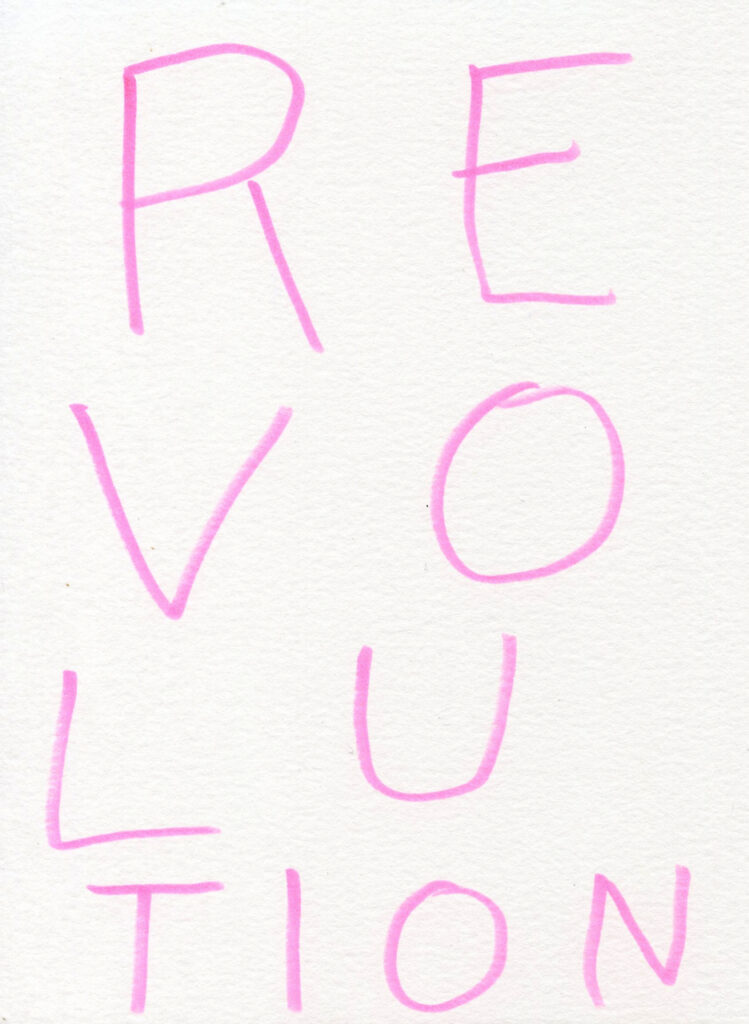
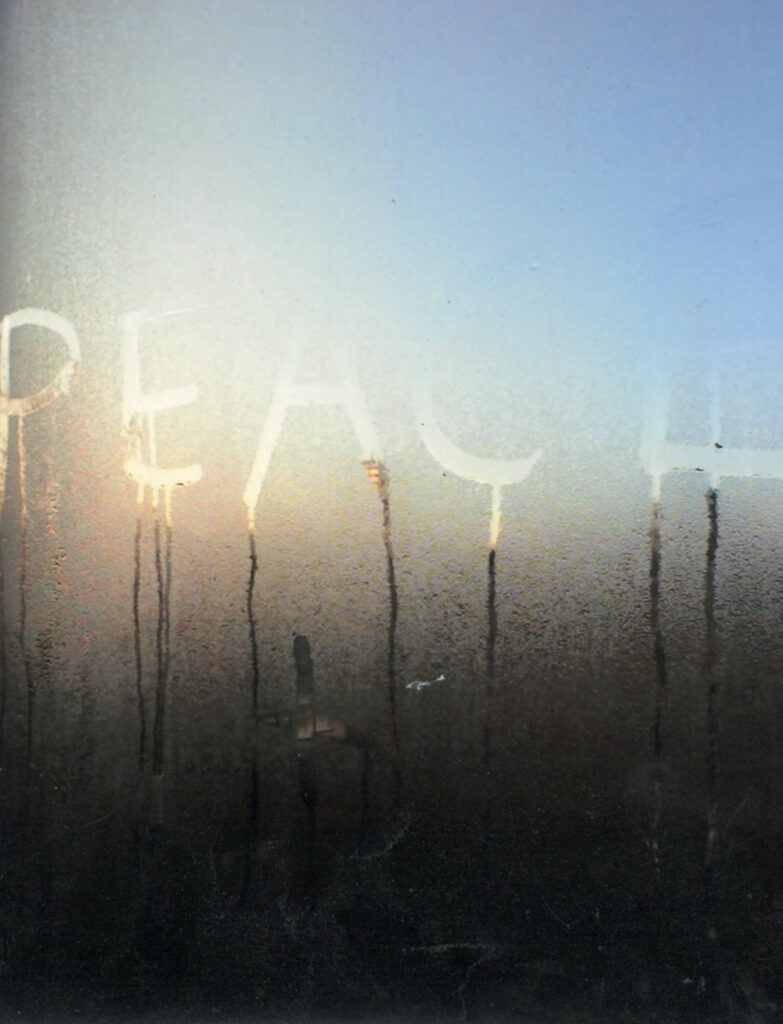
A series of text installations / art interventions in public space exploring a visceral and monumental experience of language and words. I would go for a walk in public space in a city, and find a space or area, which seemed interesting to write a word on the ground. This intervention was often during the day, in public, and while writing the word I would feel a sense of “social revolutionary act”. Sometimes, a person would come up to me and ask questions, and I would discuss art, language, public space, or media. The fact that these written words are temporary are an important link to Buddhism, and to how many things in public space are temporary or transitory, such as advertising, nature, businesses closing and opening, architecture, urban landscaping, and urban planning changing the city scape. When choosing a word to write, I randomly select a word ( and space), making this overall ” Sentence” random, in flux, evolving, like Surrealism’s automatic writing.


” Global Cannabis Legalization 2018 : Please Legalize Happiness, Life, Liberty. and Marijuana”
Paper and stencil,
11 in x 14 in,
2005
This image is a work on 8.5 in x 11 in paper with a pre-made rub- on stencil. This series discusses the fact that since the prohibition of Marijuana in the 1930’s in Western Democracies, we have probably wasted in the United States of America / Canada / Europe, 4 trillion plus? tax dollars – i.e. The War on Drugs. This fake and failed war has persecuted millions of innocent people who simply consume a plant – i.e. marijuana. It has deferred important tax money which should have been spent on schools, hospitals, roads, etc.


Your efforts fuel the Machine,
Acrylic on canvas,
four panels,
18 in x 18 in x 2.5 in,
1995.
A series dialectically exploring contemporary polemics on political issues and the critique of globalization, corporatization, technofascism, and mediation.


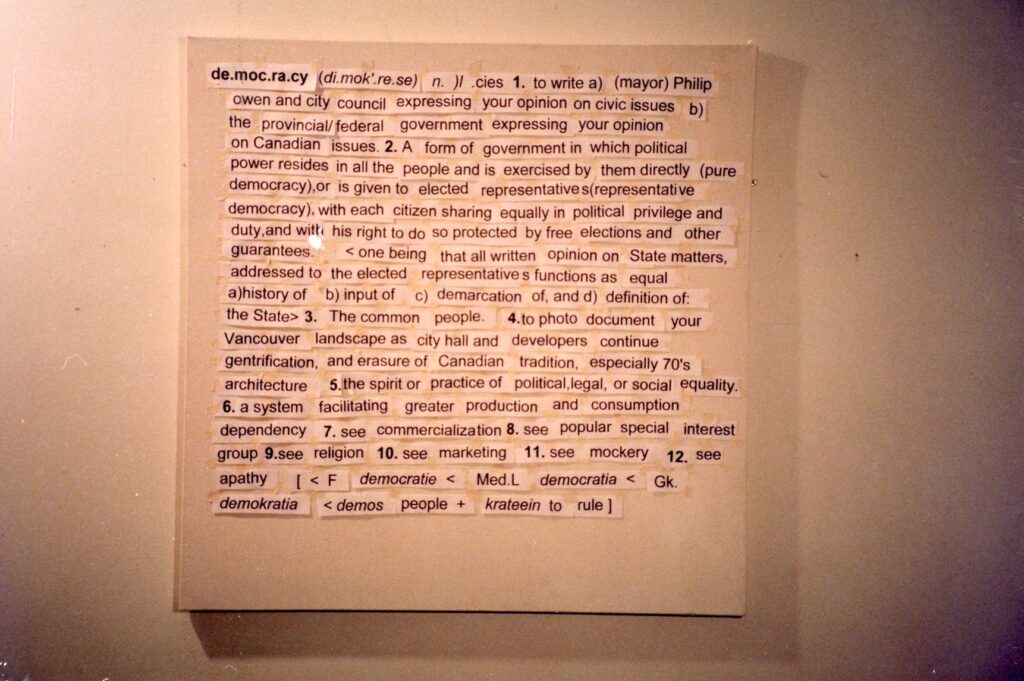
Semiotic Democracy
paper, masking tape, canvas,
48 in x 48 in,
1993
A series to re-write the definition of each discursive word in the Oxford dictionary from the lens of social and individual freedoms oppressed, exploited, mythologized, by contemporary technology and contemporary science founded, developed, designed by an elitism of corporate / state / ruling elite in contemporary democratic societies and institutions. I also added some personal ideas to this definition. In this work, I am reconstructing how a word is defined by an Institution or Ideology or Canaon, towards the individual defining a word, by their lived life experiences, personal views, personal opinions, and personal prejudices. My re- definition of the word, is not a subjective truth, rather it is subjective rationalization and interpretation and experience of the word, in a particular time and moment, I , as a experiential self, feels and thinks, connected to political and social and economic and mediated contexts.